Allan S. Hansen
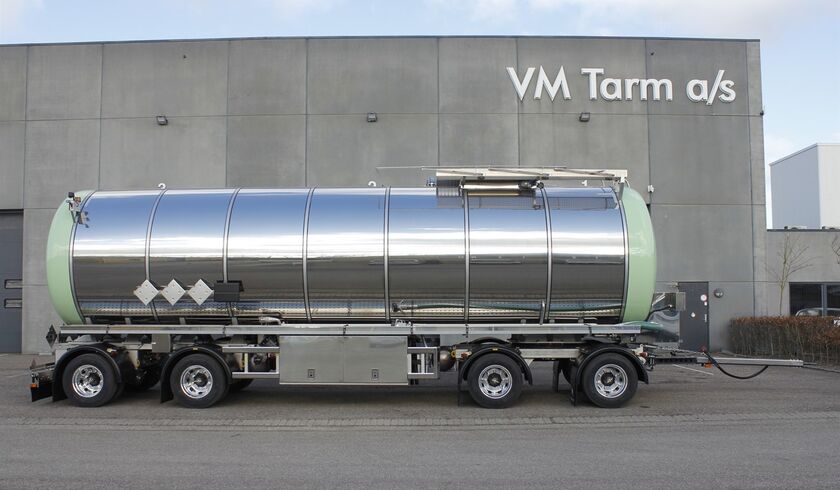
Transporting chemicals places particularly high demands on safety, material selection and documentation. At VM Tarm, we have more than 25 years of experience in developing and manufacturing chemical tankers, establishing a strong position in the Nordic countries.
We produce chemical tankers for all types of chemicals, from standard products to more complex and demanding tasks. We offer both standard solutions and customised solutions tailored to each customer's needs.
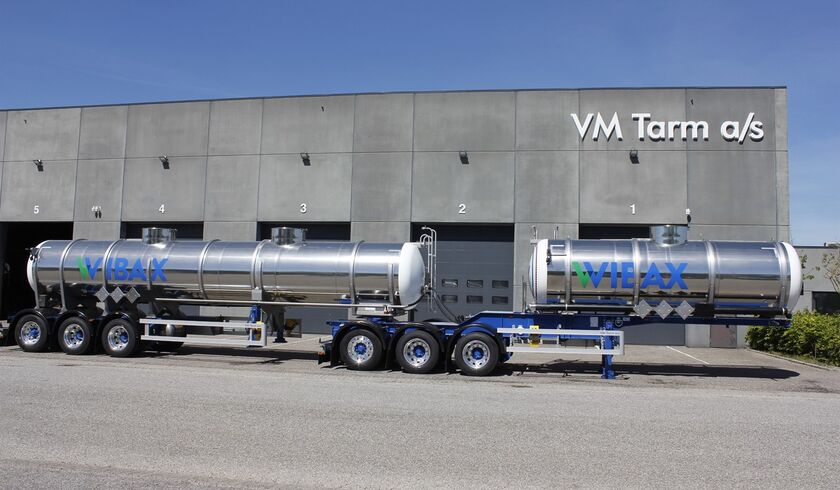
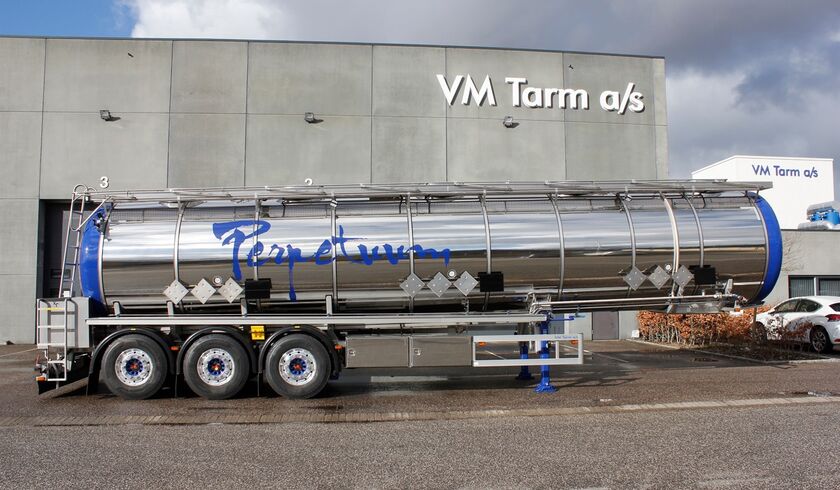
Our chemical tankers are primarily delivered in stainless or acid-resistant steel and are developed with a focus on weight optimisation. We have worked intensively on weight optimisation of our chemical tankers. The result is chemical tankers that are among the lightest on the market.
Contact us today for advice on the right chemical tanker for your transport task
We provide solutions that are approved according to relevant authorities and standards, tailored to the products being transported. All our developed chemical tankers focus on maximum operational reliability and compliance with applicable requirements.
At the same time, we have a strong service network throughout the Nordic region, ensuring you quick support and peace of mind in your daily operations after delivery.
At VM Tarm, customisation is a natural part of the process. We always go 110% into the task and work closely with you to ensure the right solution.
We are happy to meet you on-site to identify needs, workflows, and wishes so that we can develop a chemical tanker that works optimally in your daily operations.
Whether it is a standard solution or a custom-built chemical tanker, we ensure that the solution is tailored to your requirements – both technically and functionally.
VM Tarm also produces bitumen tanks, developed for the transport of products at high temperatures. The tanks are made from acid-resistant steel and can be approved for temperatures up to 250 degrees.
The chassis frame, consoles, and other components are produced in stainless steel, ensuring high durability and long service life – even under demanding conditions.
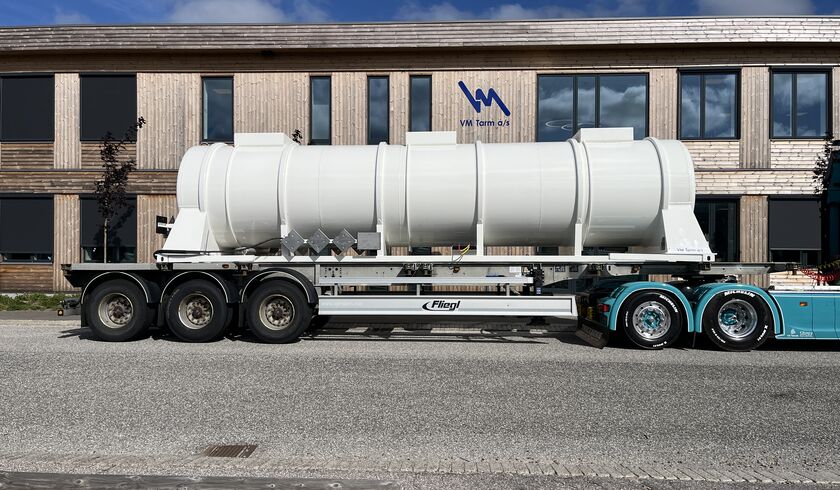
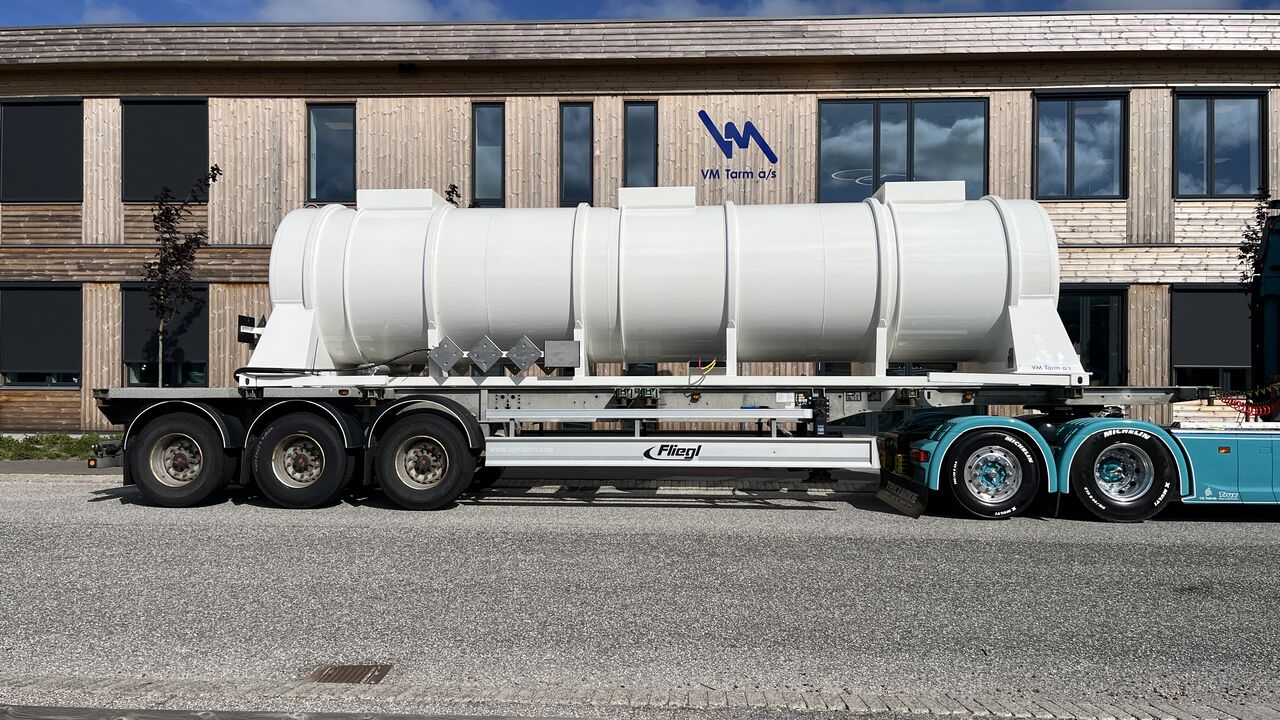
For the transport of particularly aggressive chemicals, we offer composite tanks that are designed to withstand even the most demanding effects. The tanks are supplied in materials such as FRP (fibre-reinforced plastic) or FRP+ with fluoropolymer (halar), which provides very high chemical resistance.
A composite tank is a flexible solution that is easy to clean and therefore suitable for the transport of changing chemical products. At the same time, the tanks can handle different densities and large temperature fluctuations from -40 degrees to +100 degrees.
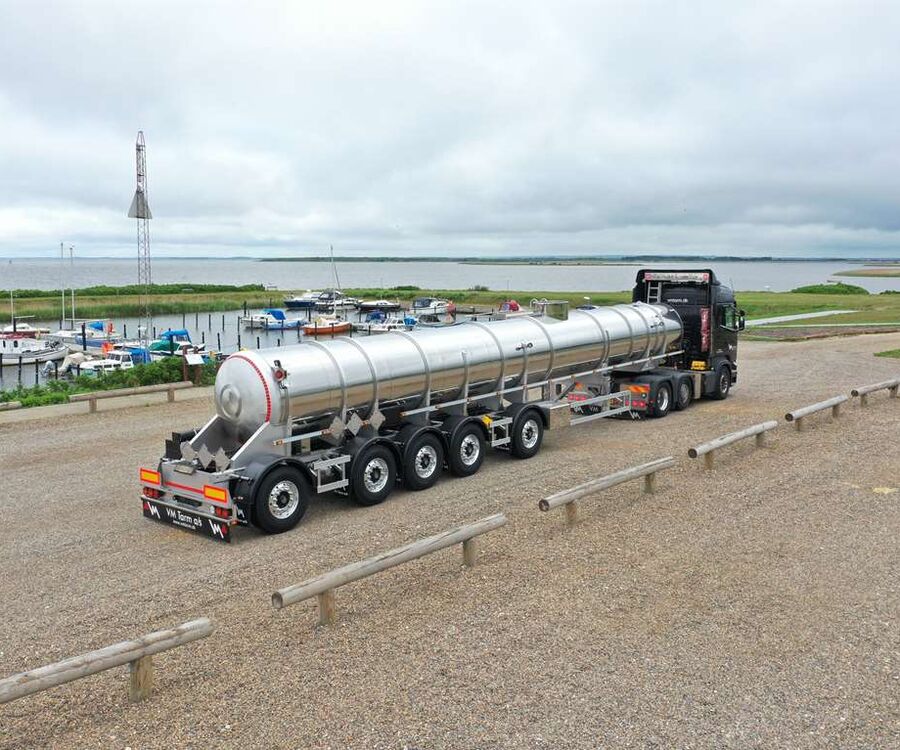
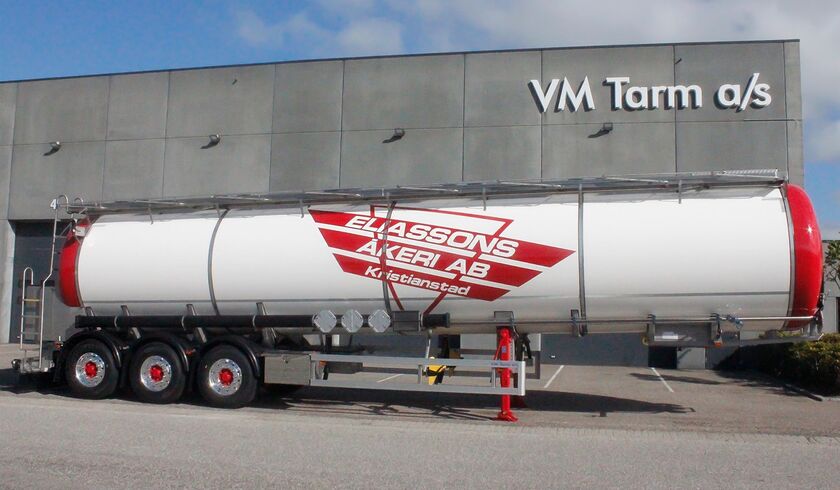
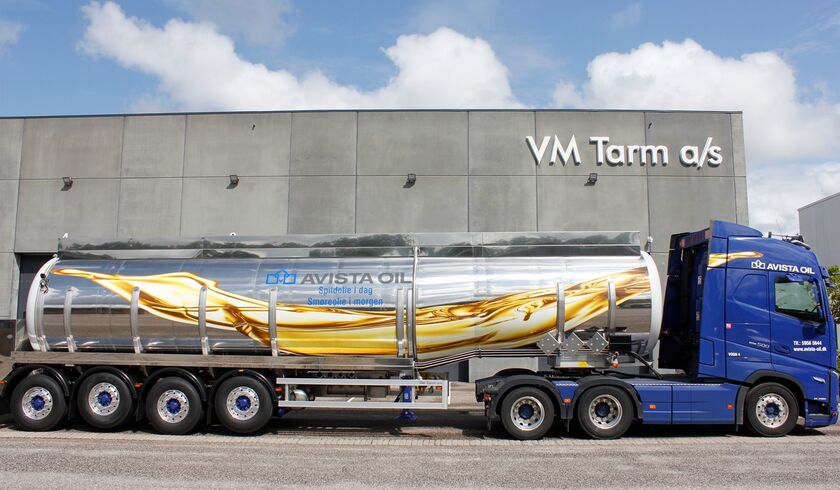
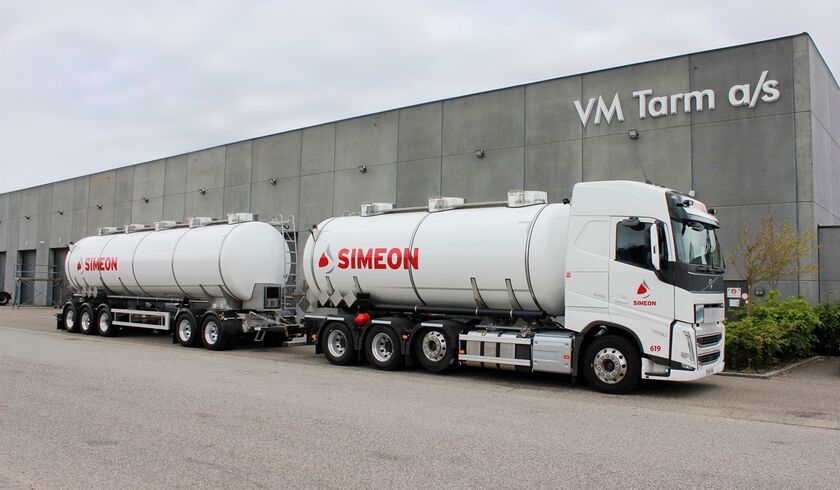
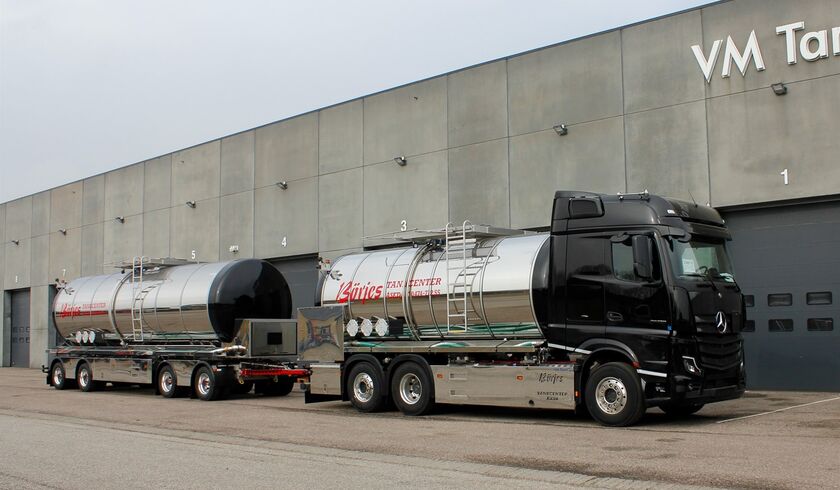
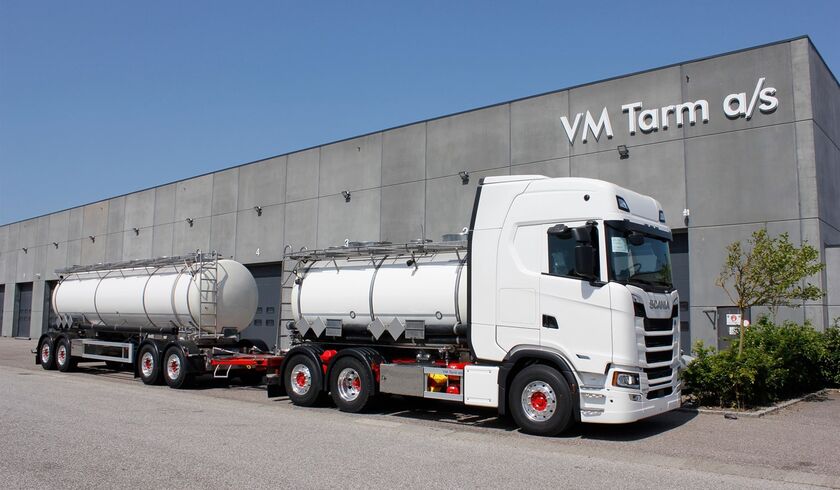
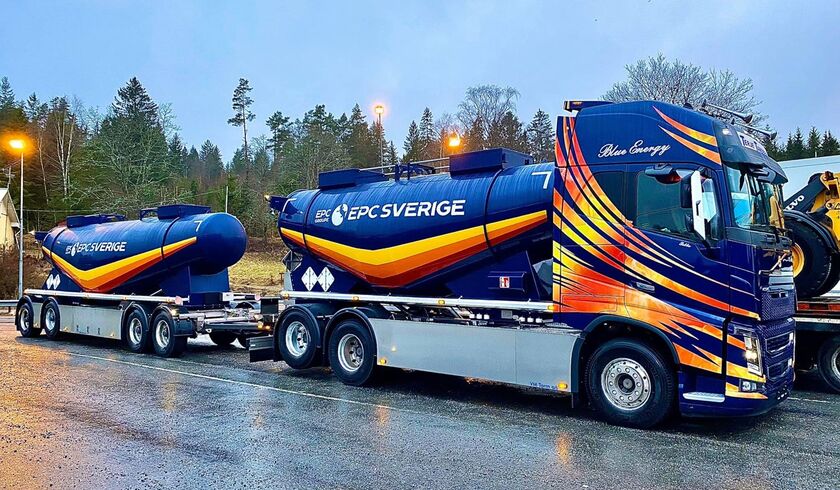
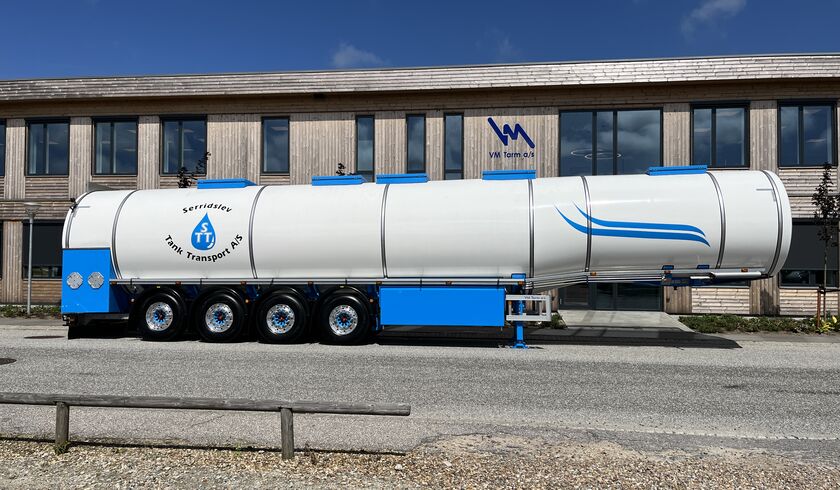
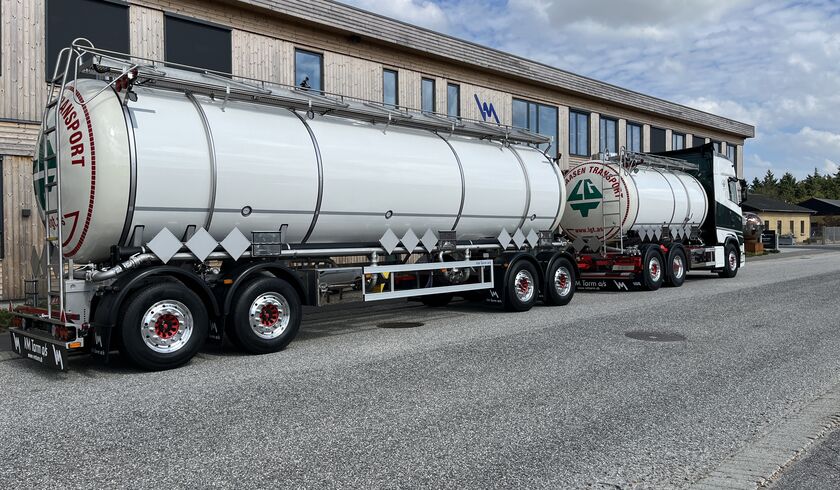
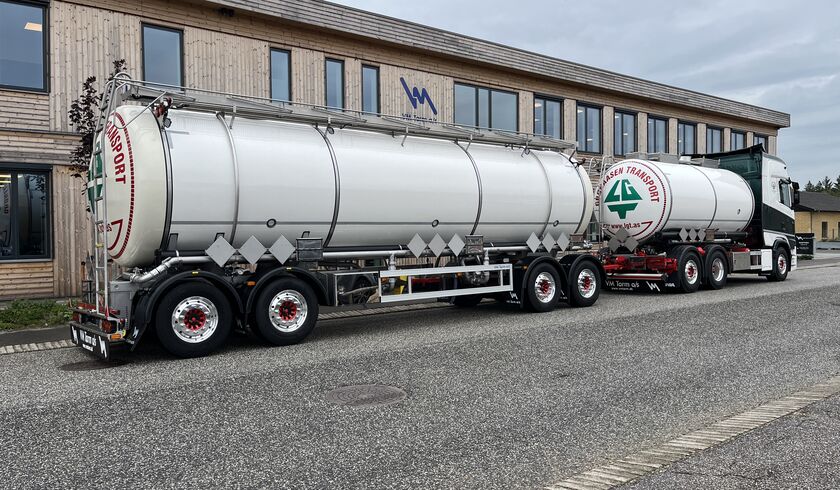
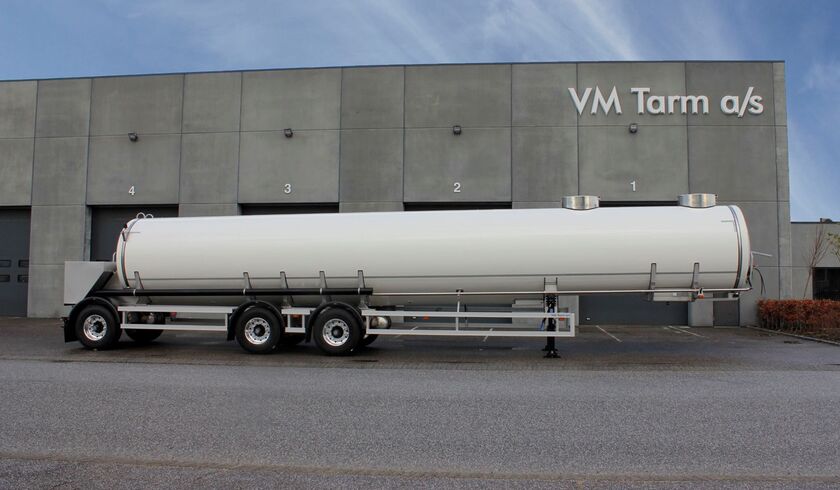
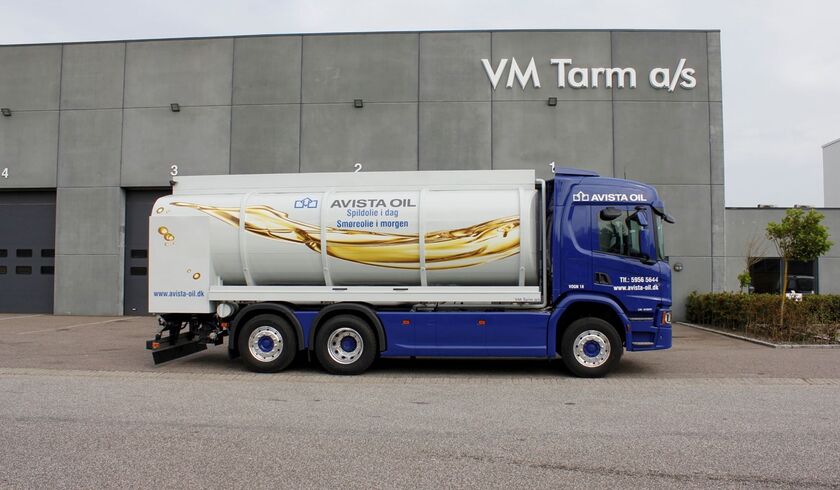
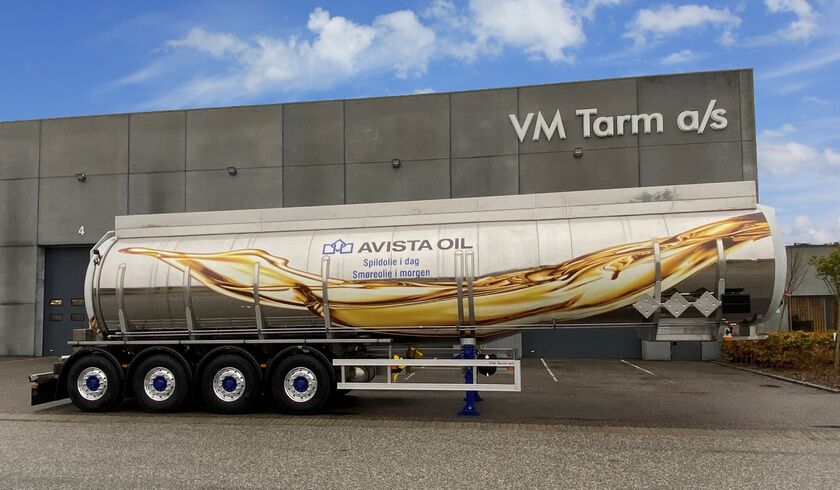
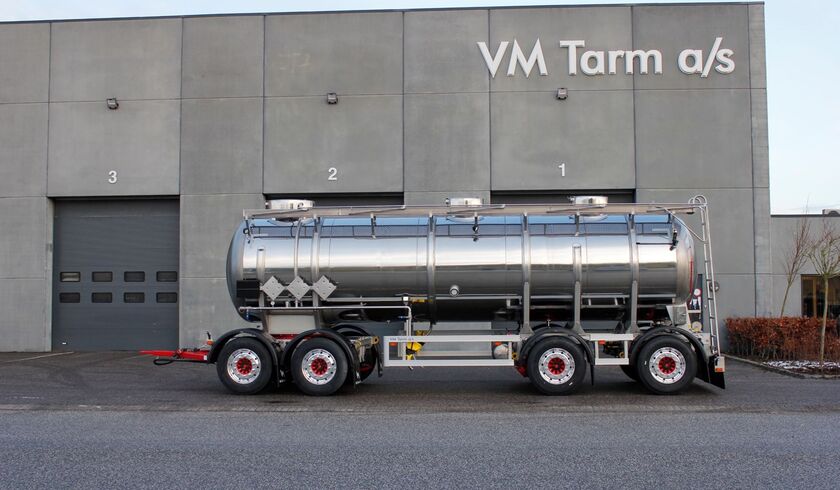
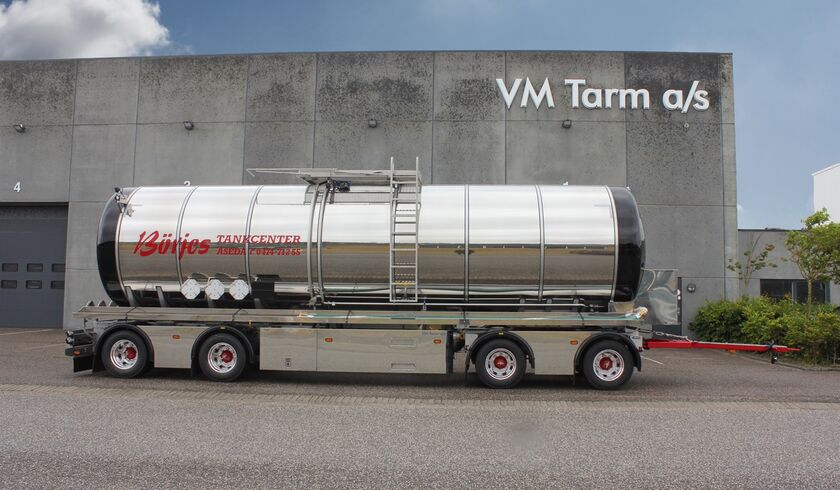
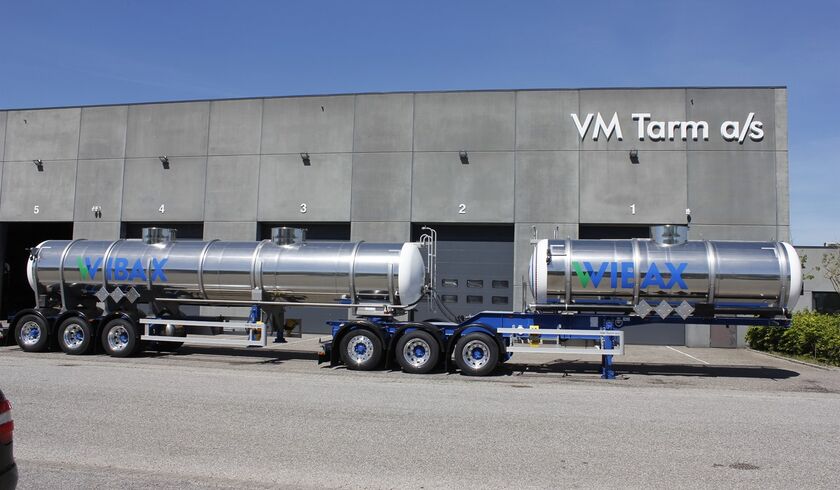
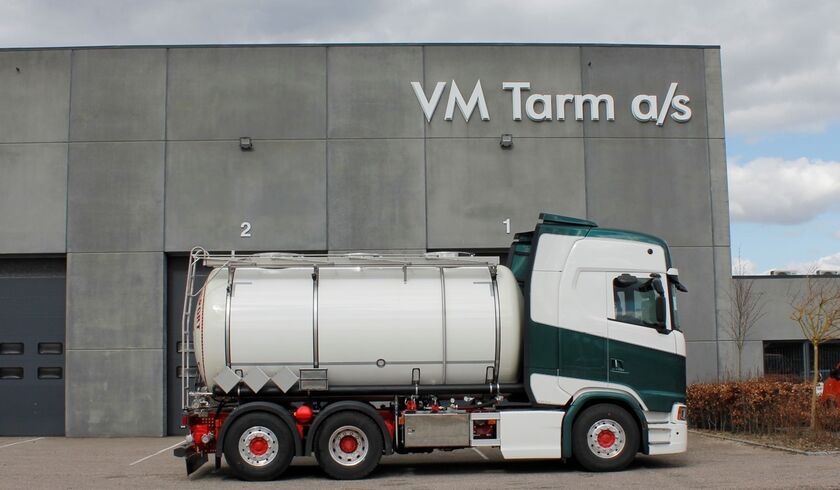
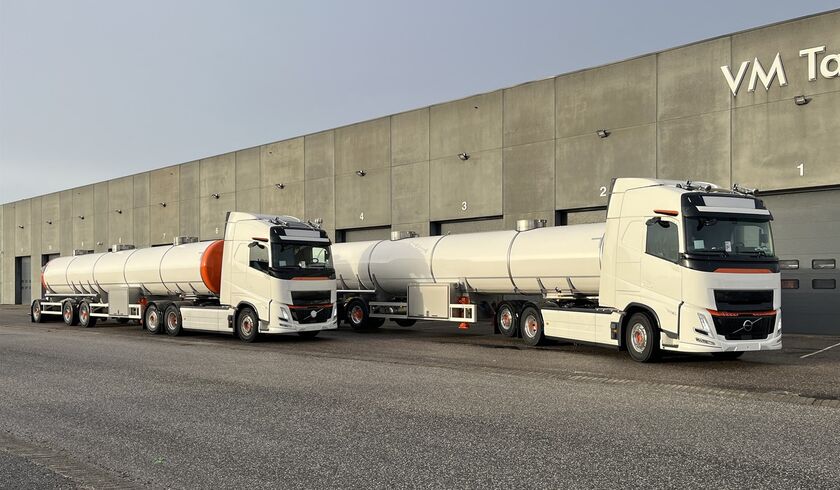
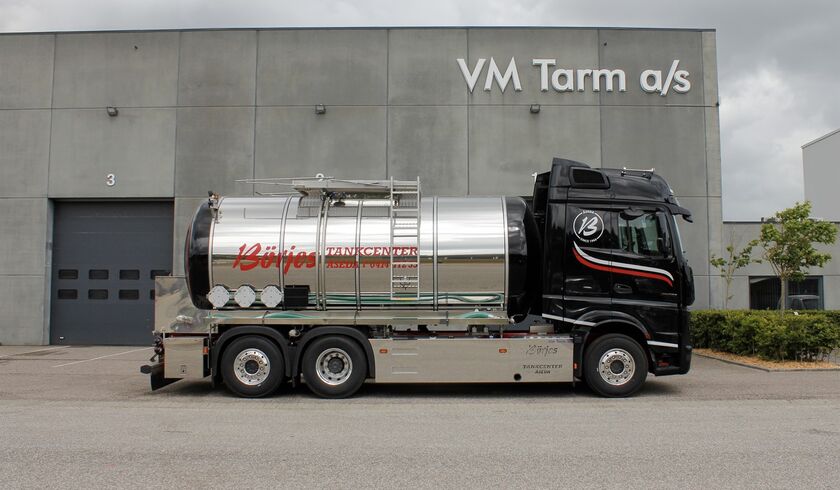
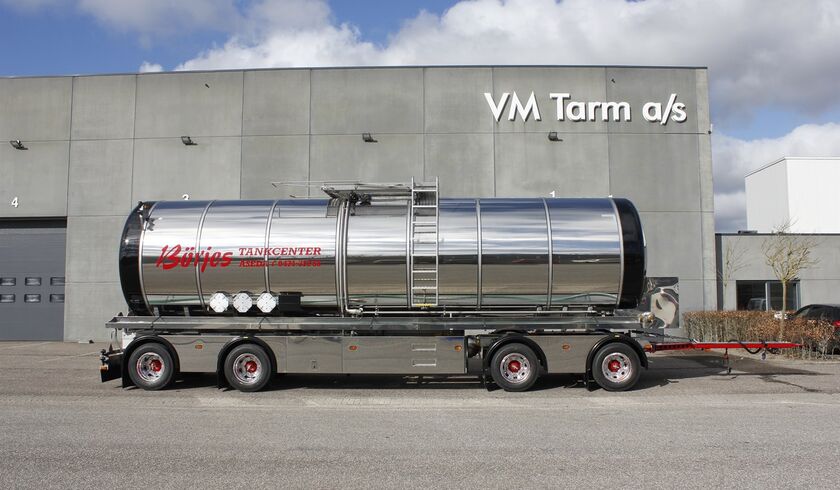
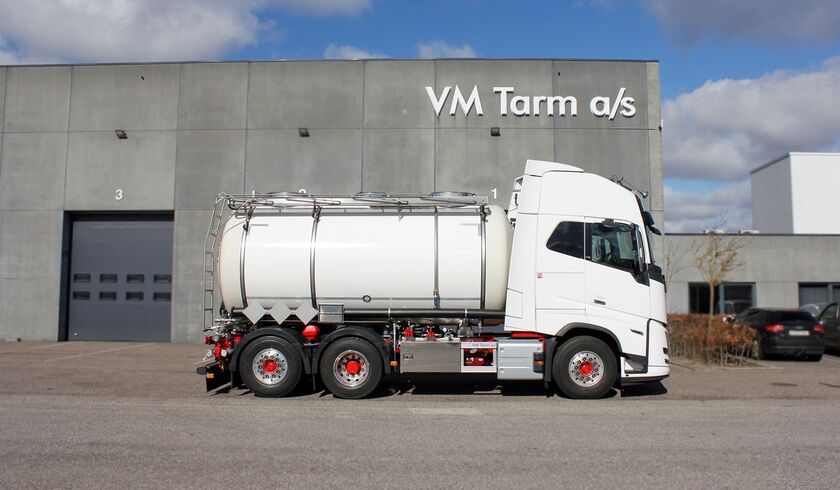
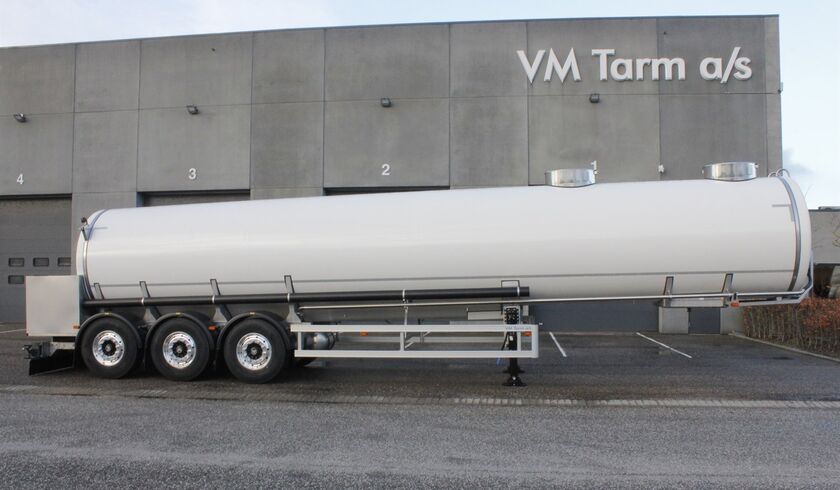
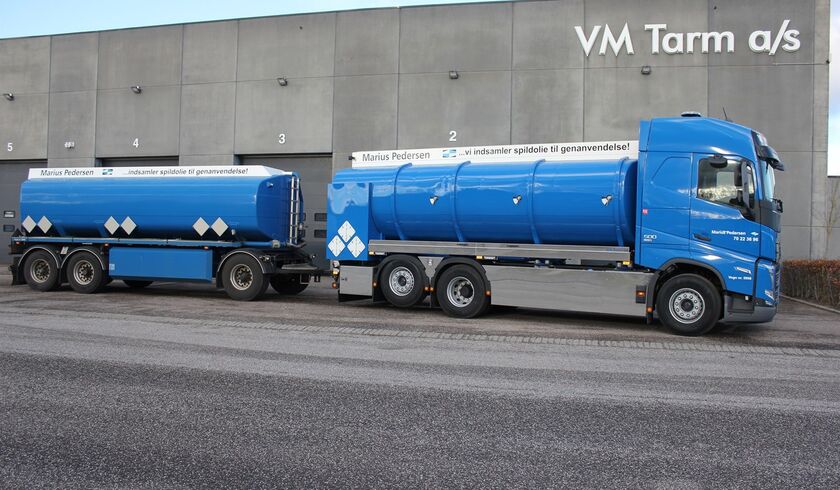
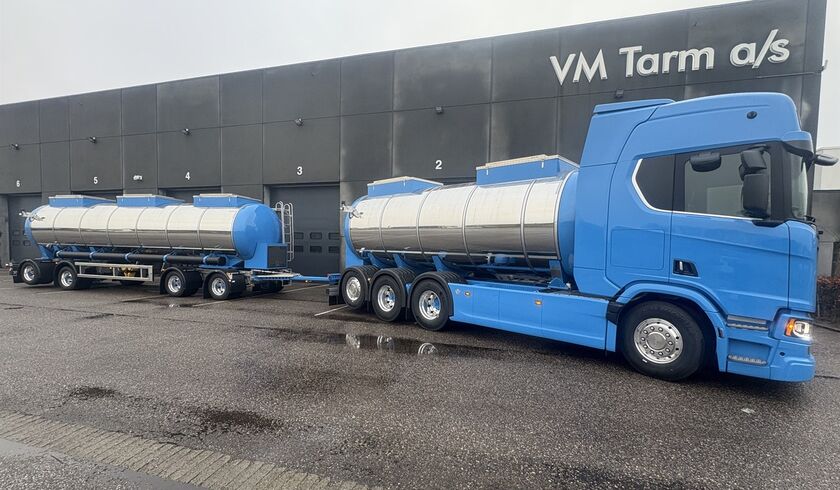
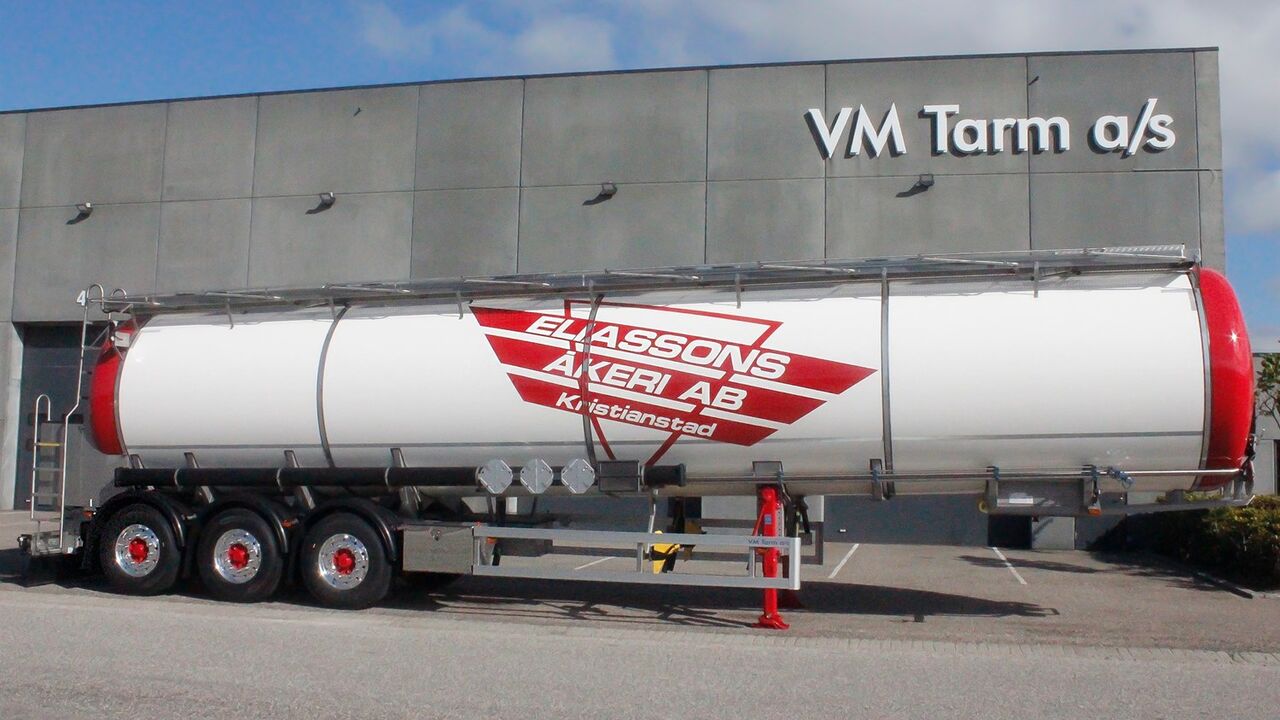
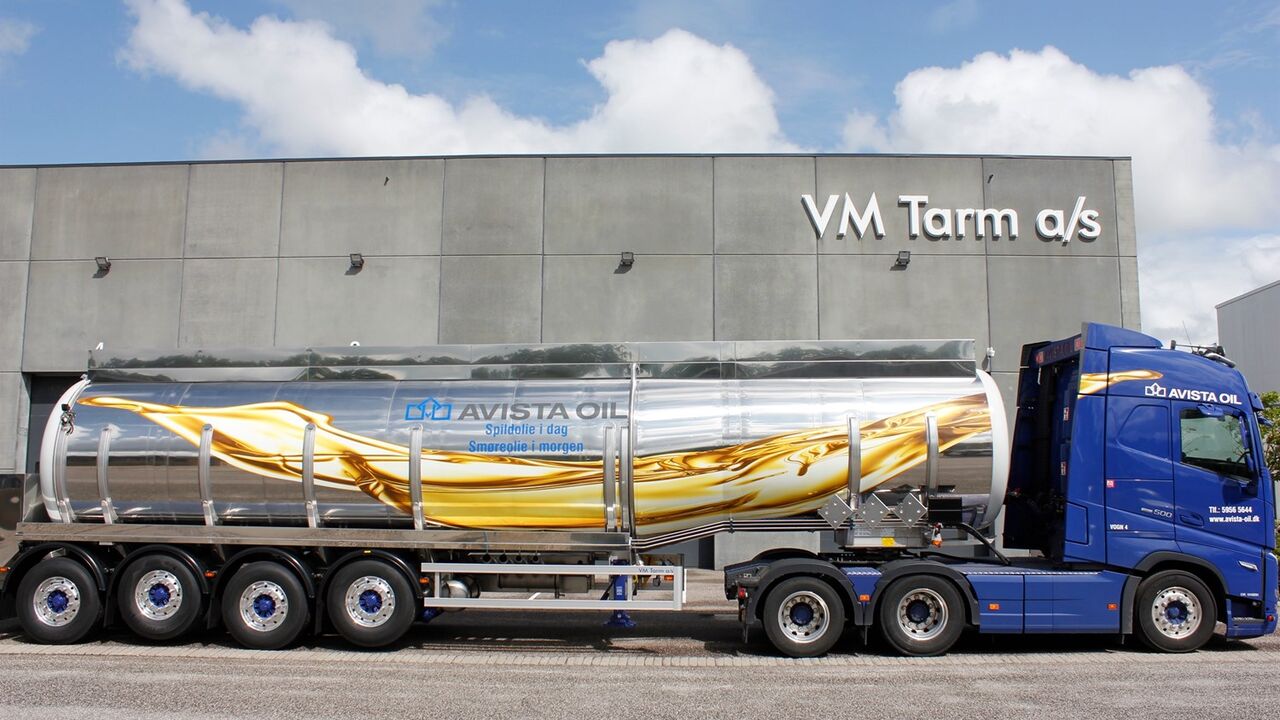
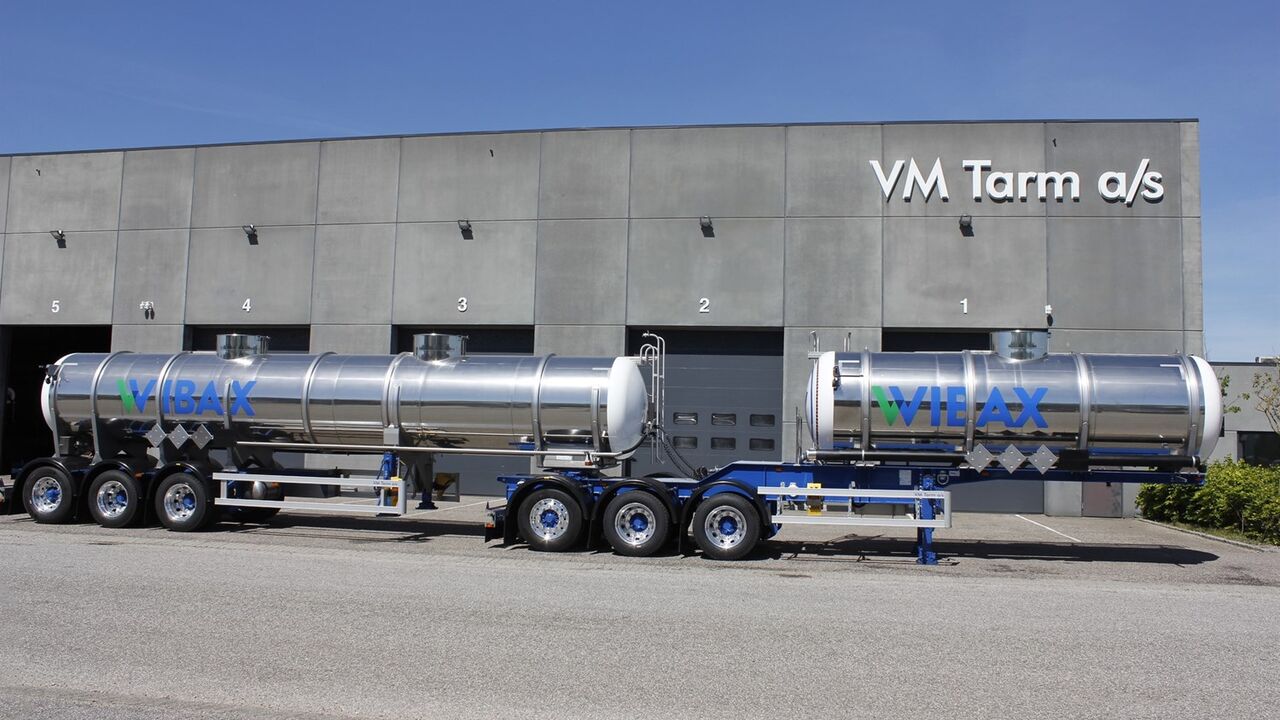
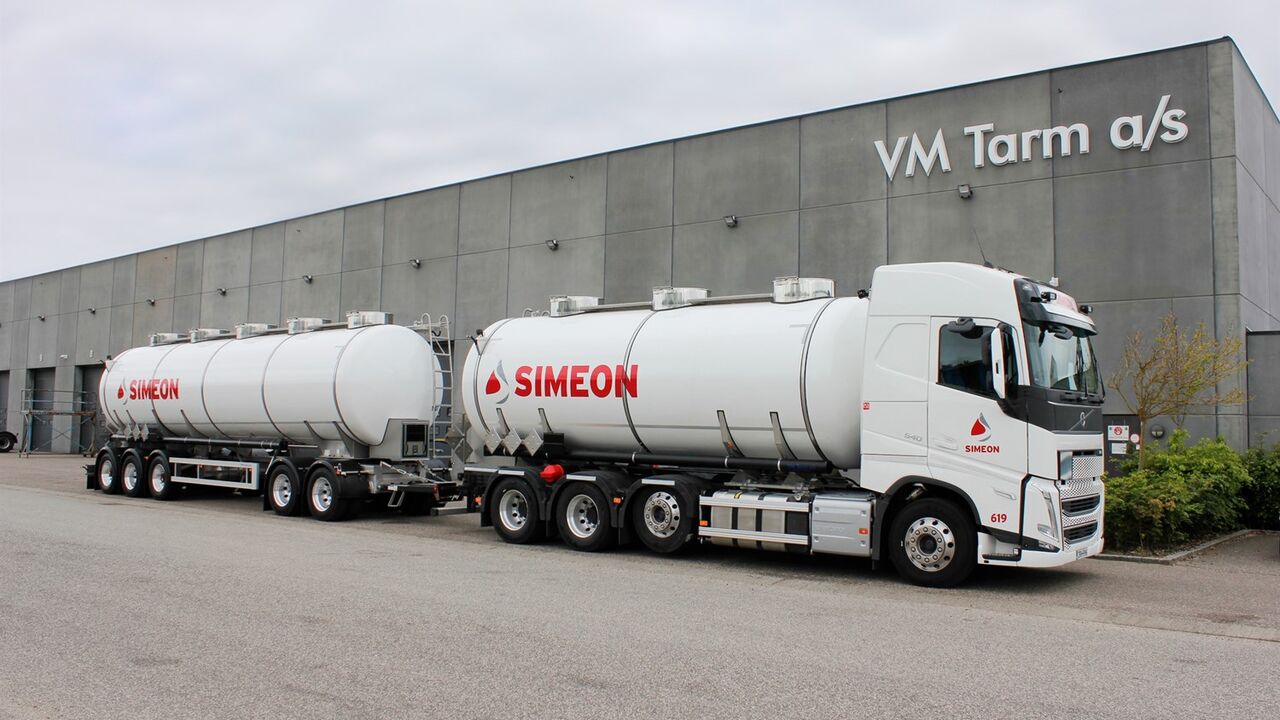
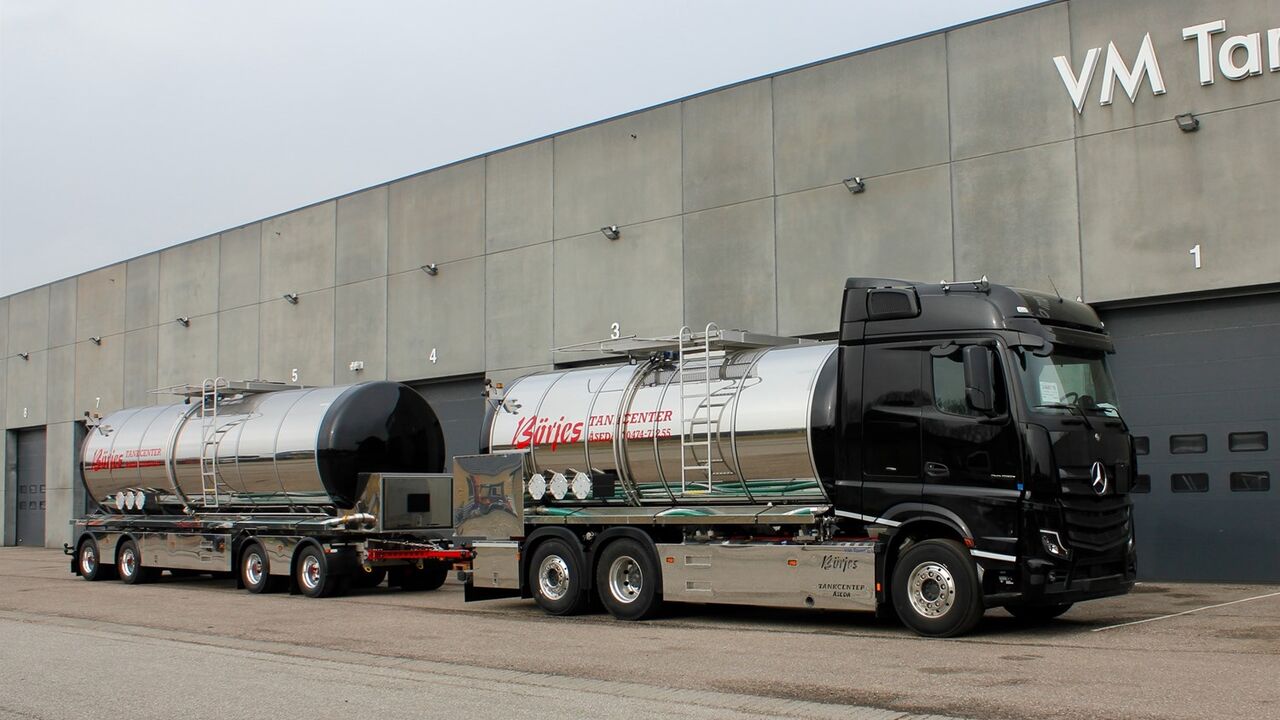
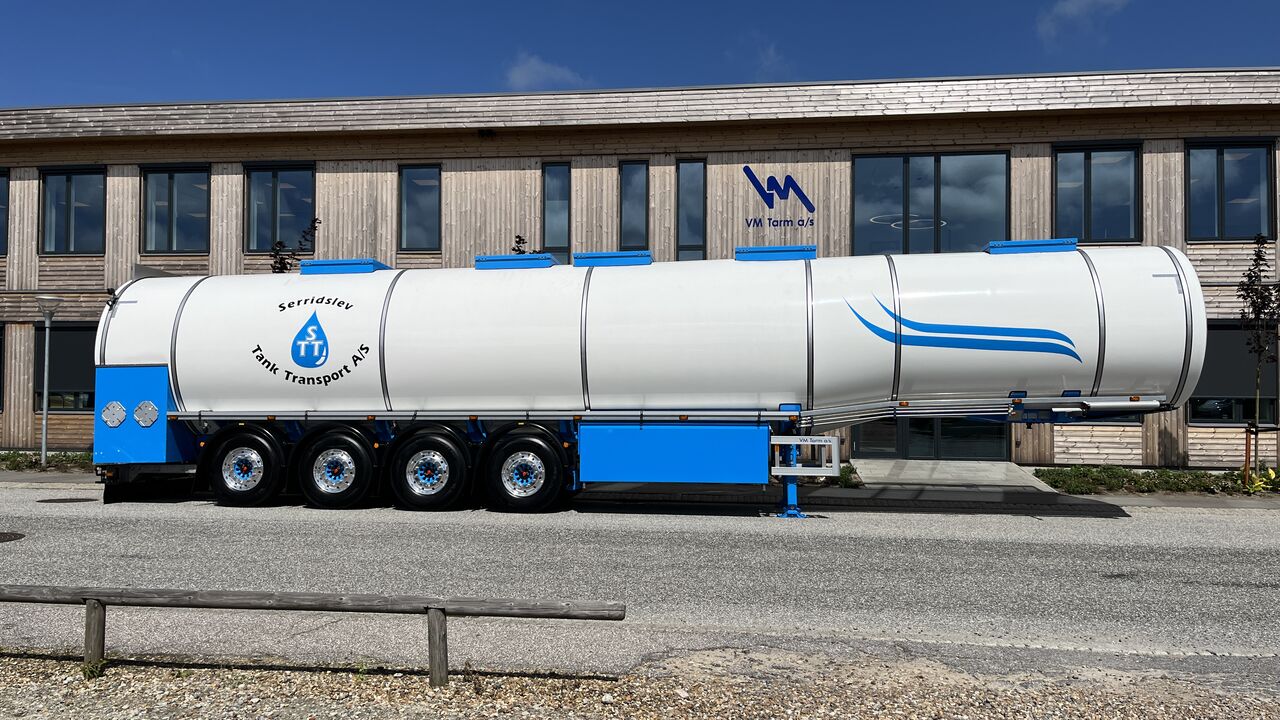
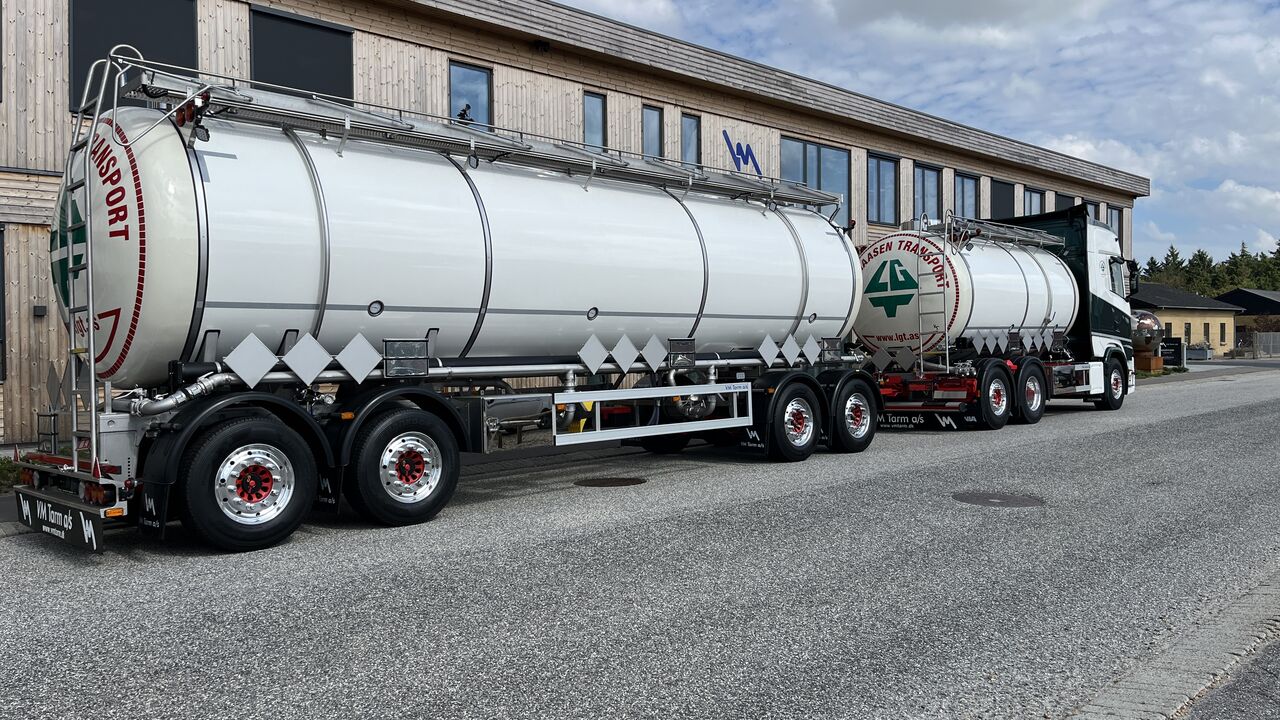
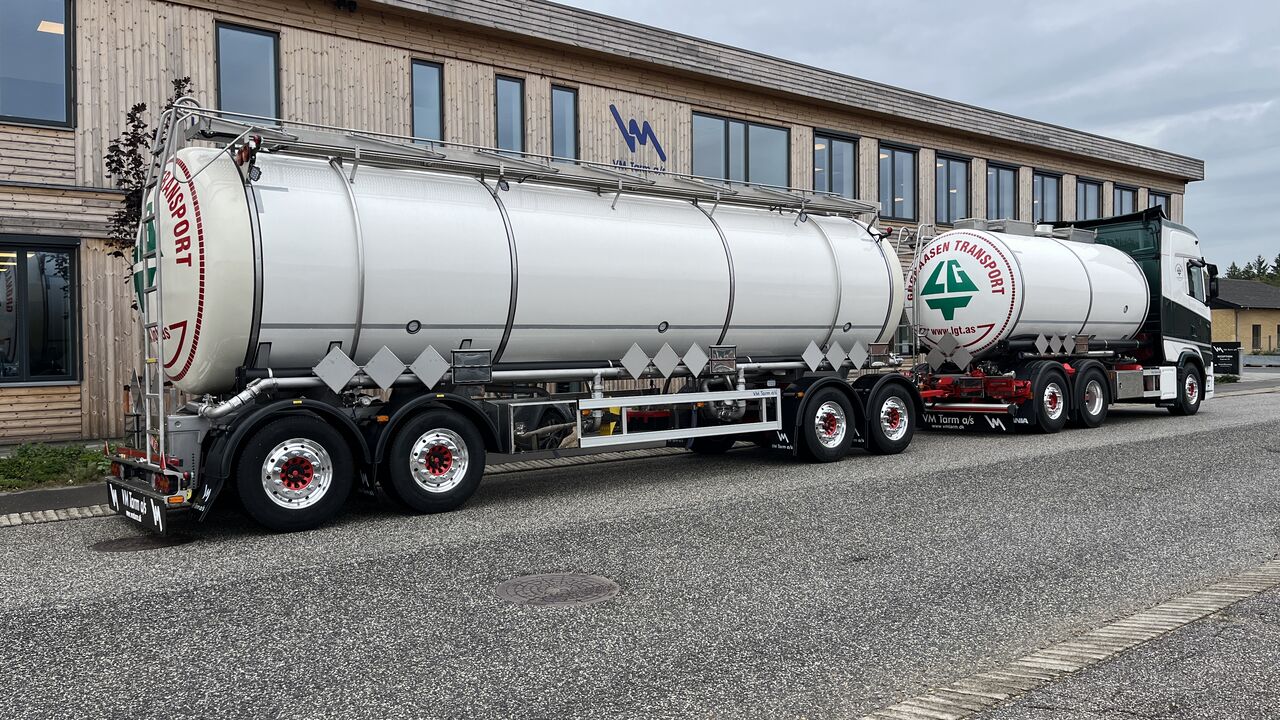
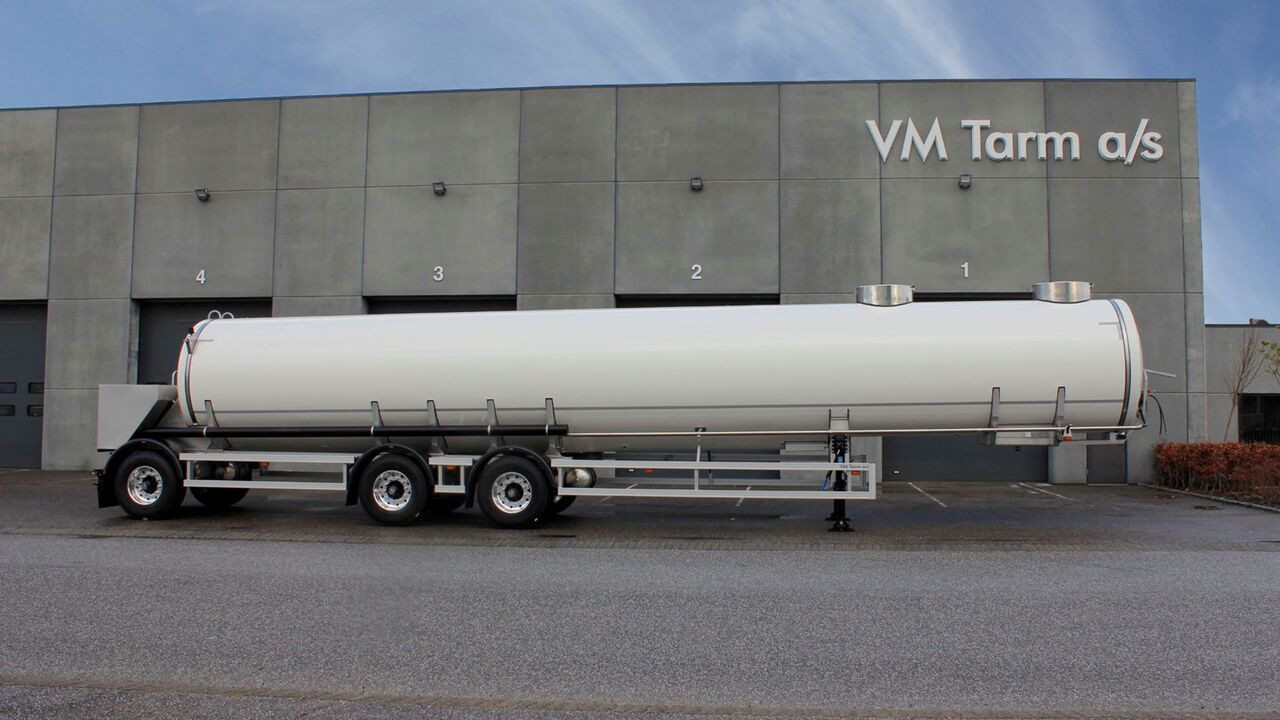
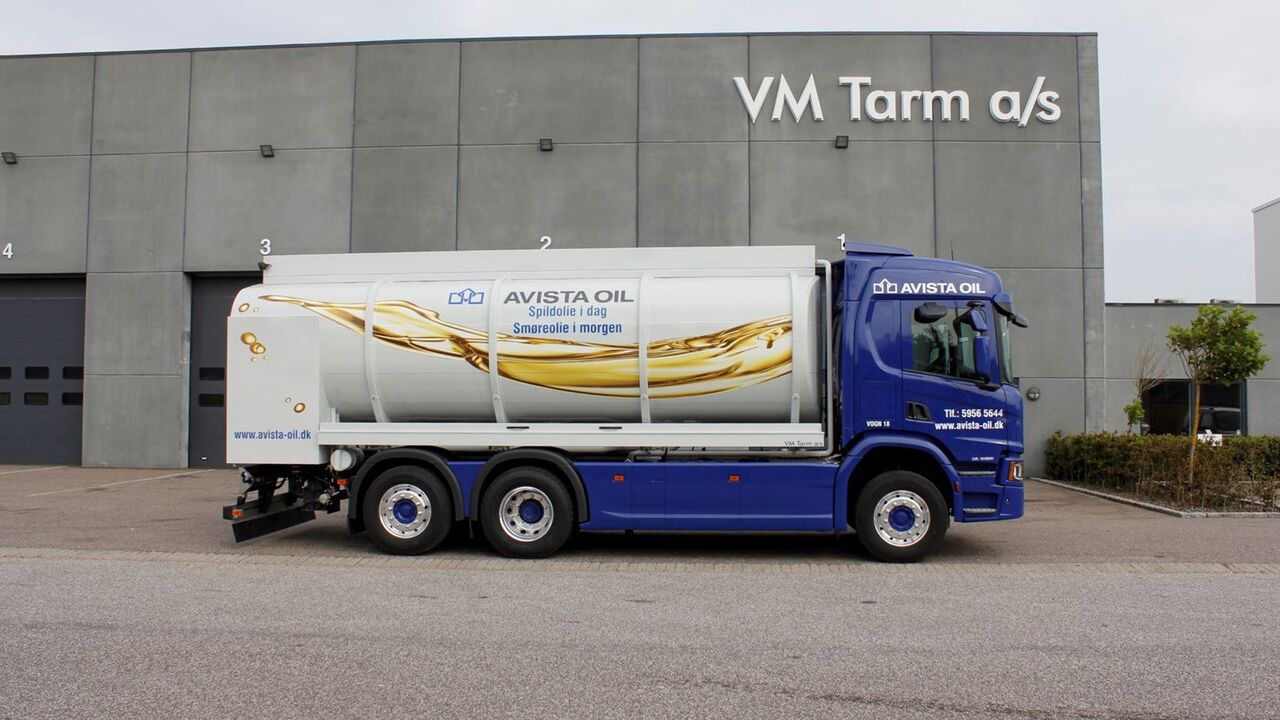
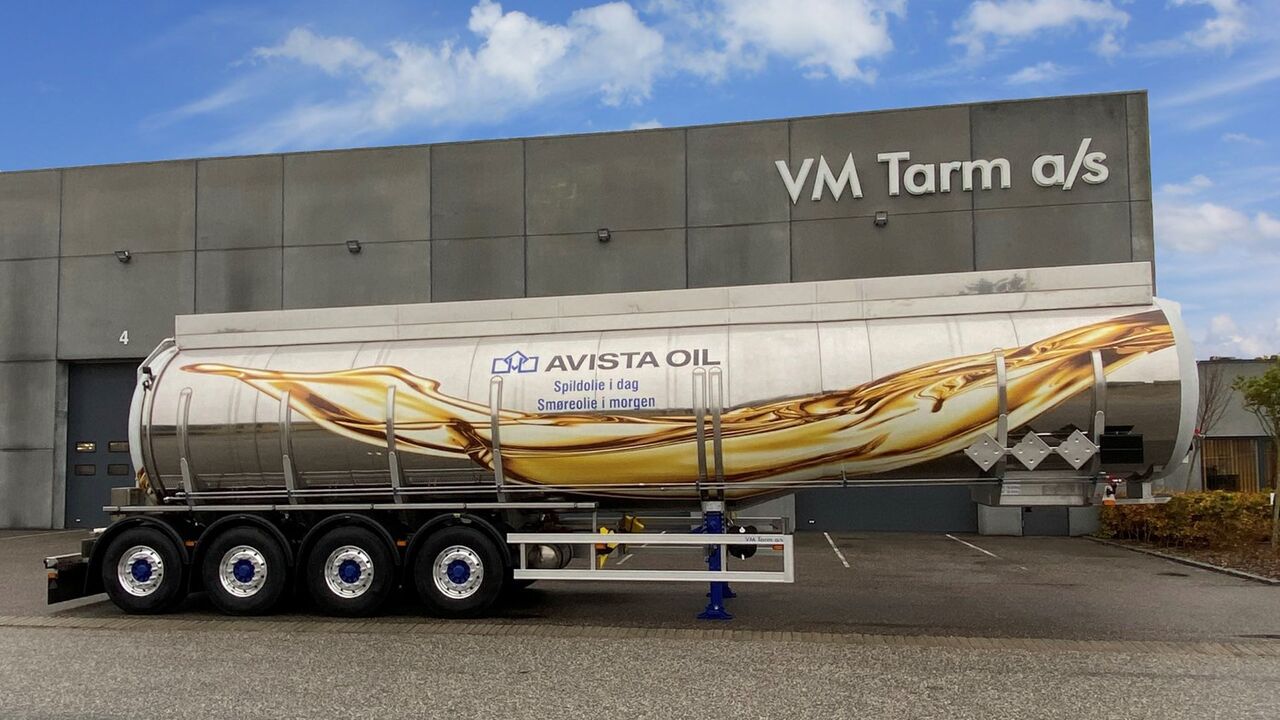
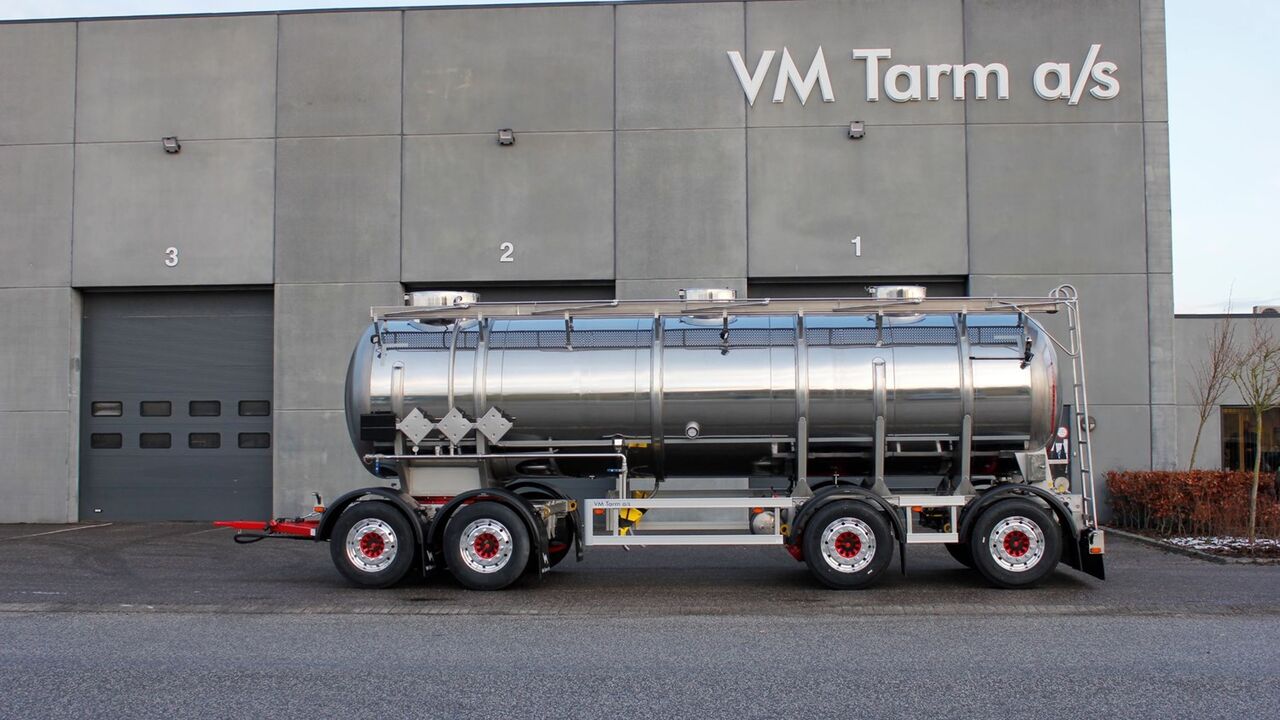
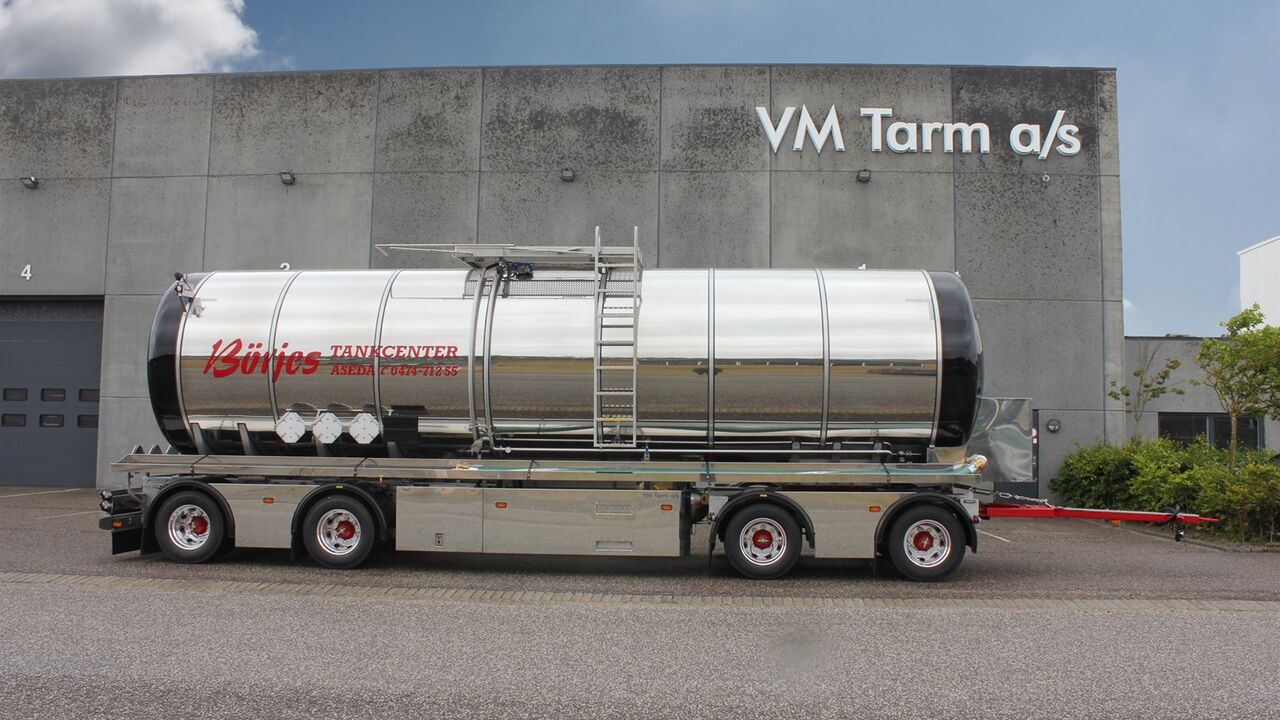
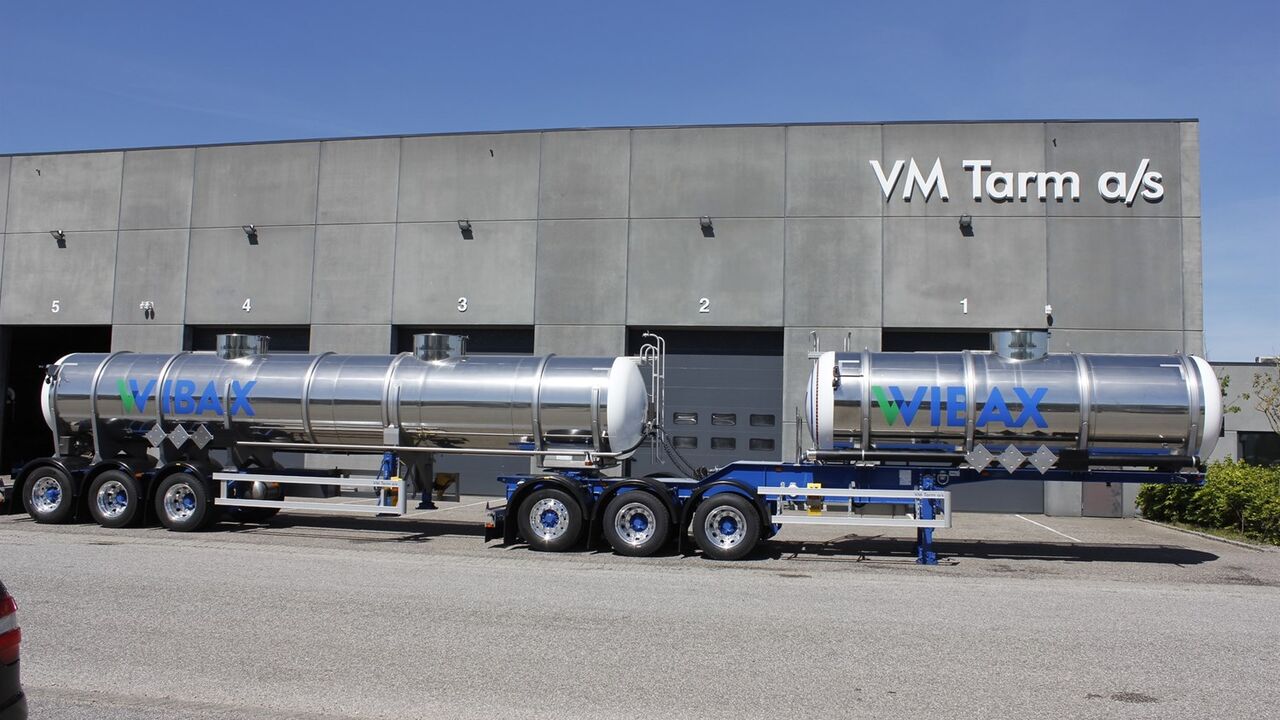
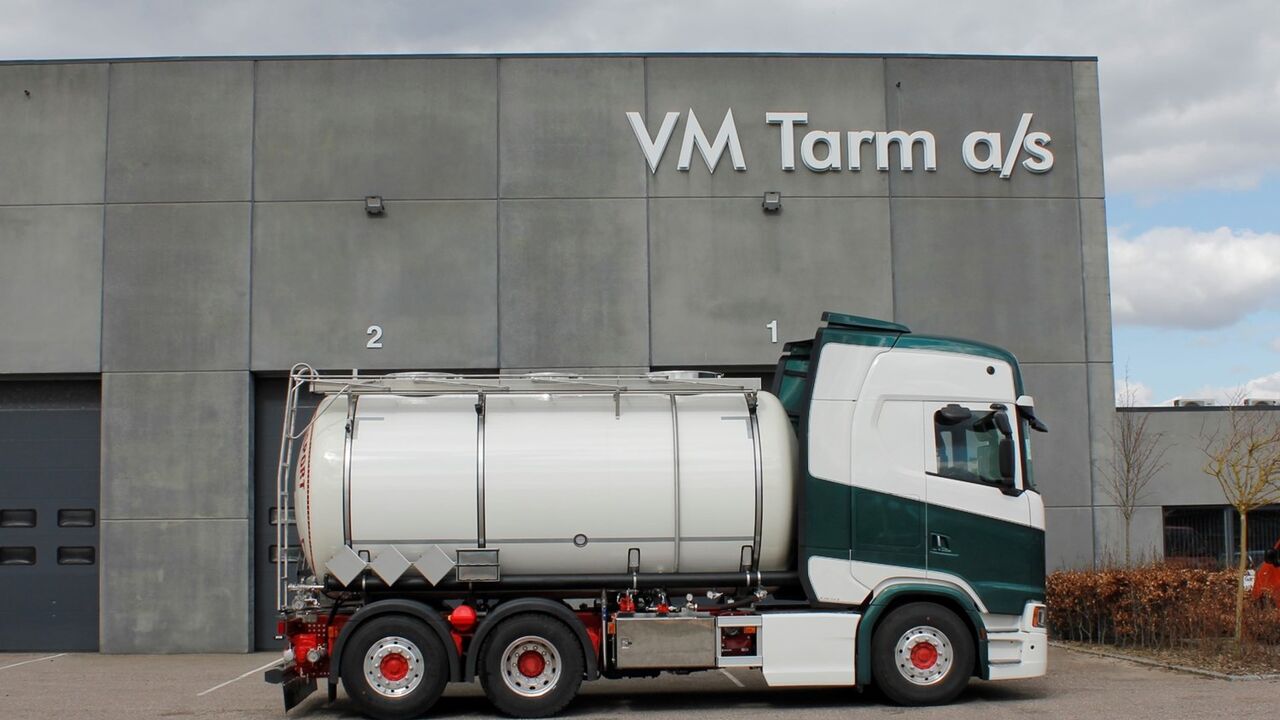
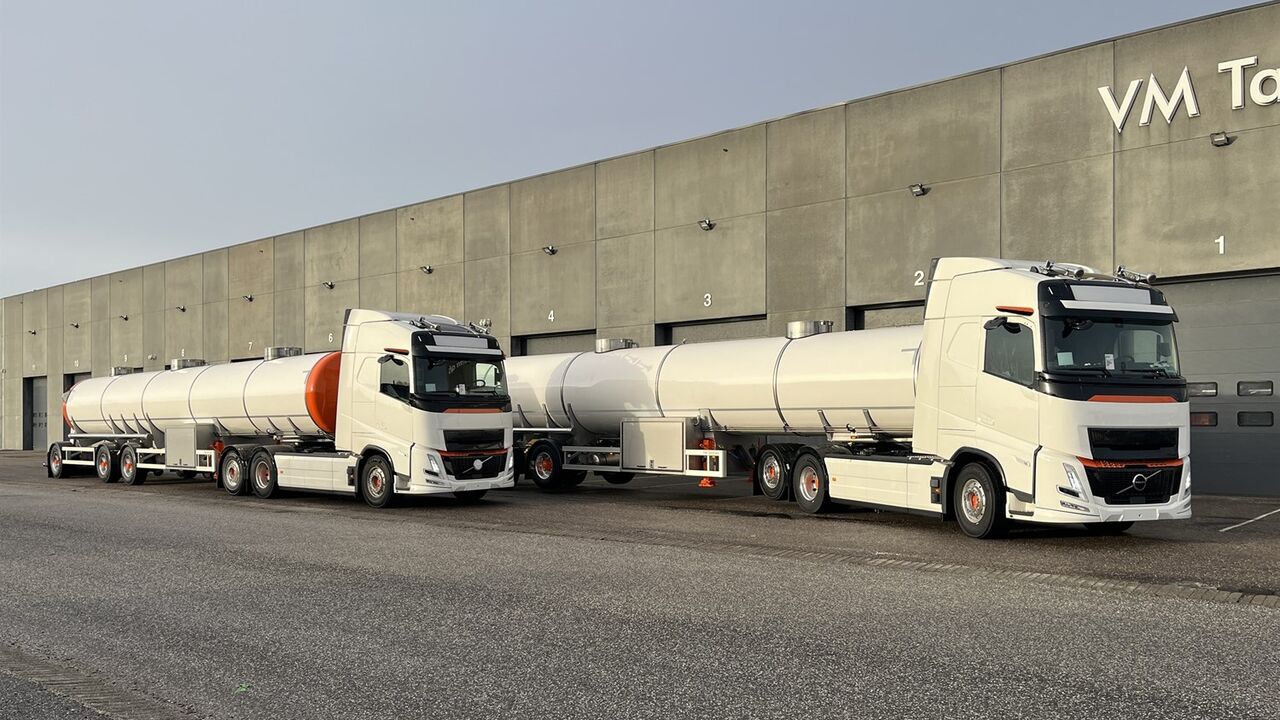
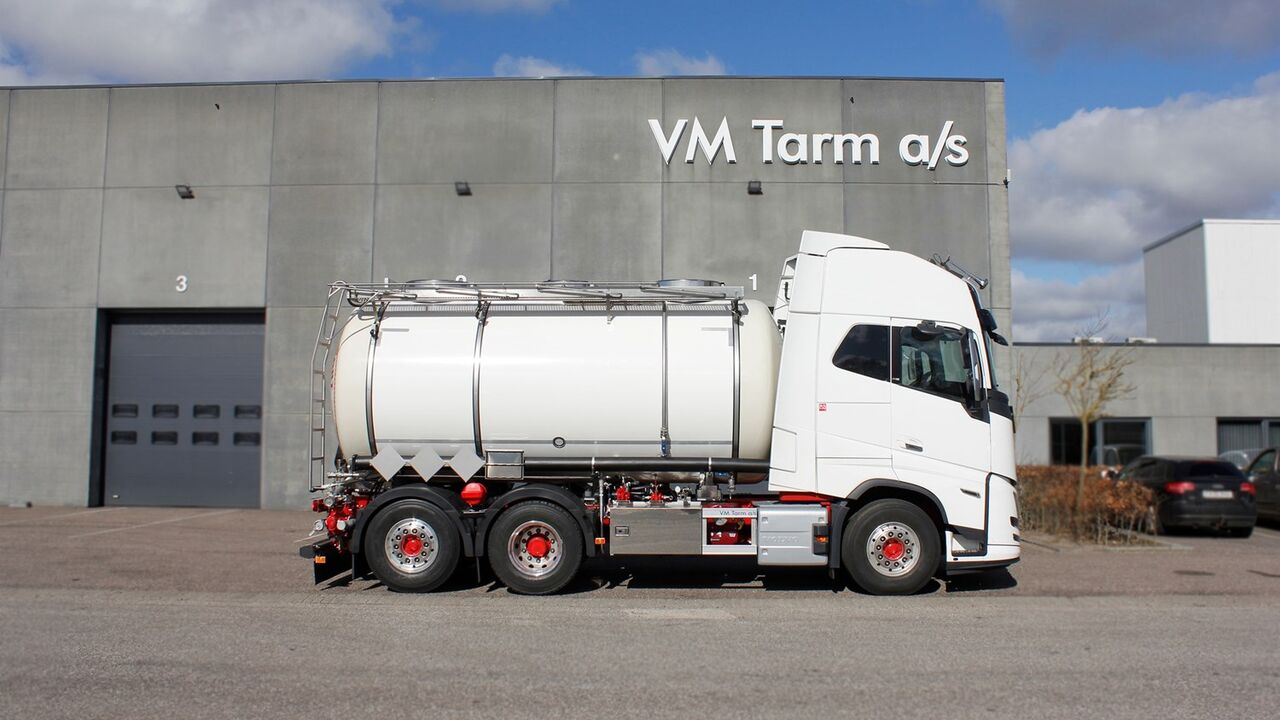
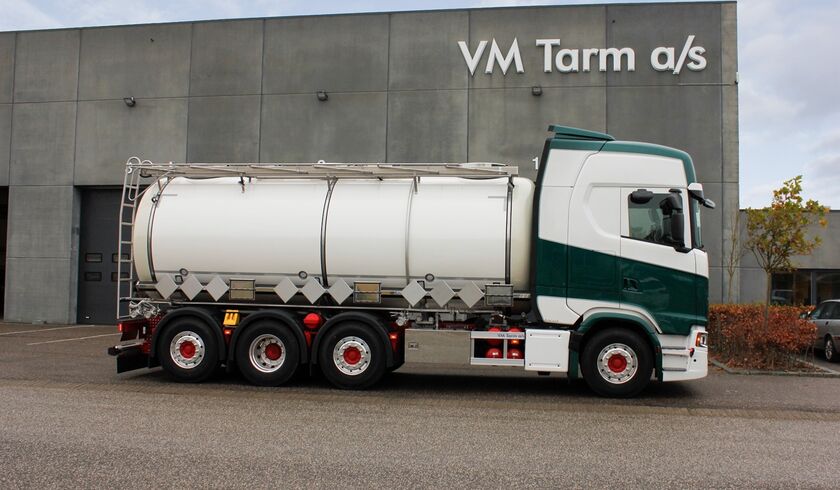
Below you can see a selection of the chemical tankers we have delivered.
Below you can see a selection of the chemical tankers we have most recently delivered.
What products can be transported in a VM Tarm chemical tanker?
It depends on the materials, construction, and specific product specification of the tank.
Different products impose different requirements on factors such as tank material, corrosion resistance, seals, valves, piping, and cleaning. Therefore, the chemical tanker is specified based on the products the customer expects to transport.
Depending on the construction, a VM Tarm chemical tanker can for example be developed for the transport of:
The specific tank must always be assessed and constructed for the product to be transported.

What materials are used for a chemical tanker?
The material is selected based on the product that is to be transported and the technical requirements for the tank.
VM Tarm works, among other things, with:
For special chemicals, solutions can also be used, for example, lining the inner surfaces of the tank with rubber and piping in PP.
The crucial aspect is that the tank, piping, valves, seals, and other components are compatible with the transported product.
Can a chemical tanker be divided into multiple compartments?
Yes. A VM Tarm chemical tanker can be built with one or more separate chambers.
The number and size of the chambers are adapted to the customer's transport tasks. VM Tarm builds solutions with one to five chambers, although chemical tankers with more than four chambers are less common.
A tanker with multiple chambers can make it possible to transport different products or volumes on the same trip, when the products and applicable regulations allow it.
How large can a chemical tanker be?
Tank volume is customised to the transport task, the vehicle, and the applicable weight and dimension requirements.
VM Tarm has experience with tank solutions from approximately 1,300 litres up to 75,600 litres.
The optimal capacity depends, among other things, on:
Can a chemical tanker be customised?
Yes. VM Tarm constructs chemical tankers based on the customer's specific transport task and work process.
The chemical tanker can be customized with respect to:
The final solution always depends on the product, the transport task, and applicable regulations.
How is a chemical tanker loaded?
A chemical tanker can be constructed for different types of loading depending on the product and the customer's facility.
The tanks can, for example, be built for:
The specific solution is tailored among other things to the product's characteristics, the customer's terminal or production facility, and the requirements for the working environment.
How is a chemical tanker discharged?
A chemical tanker can be unloaded in several different ways depending on the product and tank construction.
This can occur, for example:
How is a chemical tanker cleaned?
The cleaning solution depends on the transported product and the requirements for the next load.
The chemical tanker can, among other things, be constructed with manhole shafts and cleaning shafts, providing access for cleaning with, for example, spray heads or cleaning hoses.
The internal surfaces and piping of the tank can simultaneously be designed with a focus on good emptying and cleaning-friendliness.
CIP systems are not necessarily used on chemical tankers, as the tank's construction and approval requirements may impose specific demands on the cleaning system.
How do you avoid contamination between different products?
The risk of contamination is reduced through correct tank construction, piping, valve control, and cleaning.
If the tank has multiple compartments, the individual compartments and their piping and valve systems can be constructed to keep the products separate.
This can include:
The specific solution depends on the products being handled.
What safety equipment can a chemical tanker have?
The safety equipment is customized to the product, the transport task, and the specific tank configuration.
It may include:
The tank's work areas can also be designed with a focus on the driver’s access, working height, and daily operation.
Can a chemical tanker be built to the customer's existing facility?
Yes. A VM Tarm chemical tanker can be developed around the customer's specific transport, loading, and unloading processes.
It may be relevant, for example, in the case of special requirements for:
VM Tarm works with customised solutions within the applicable technical and legal requirements.
What is important when choosing a chemical tanker?
The right chemical tanker is not only chosen based on tank volume. The entire tank solution must fit the product, transport task, and the driver's work process.
It is important to assess:
What does a chemical tanker cost?
There is not one fixed price for a VM Tarm chemical tanker, as the tanks are configured according to the specific transport task.
The price depends on, among other things:
Contact VM Tarm to get an assessment of the solution that fits the specific transport task.